How They’re Made
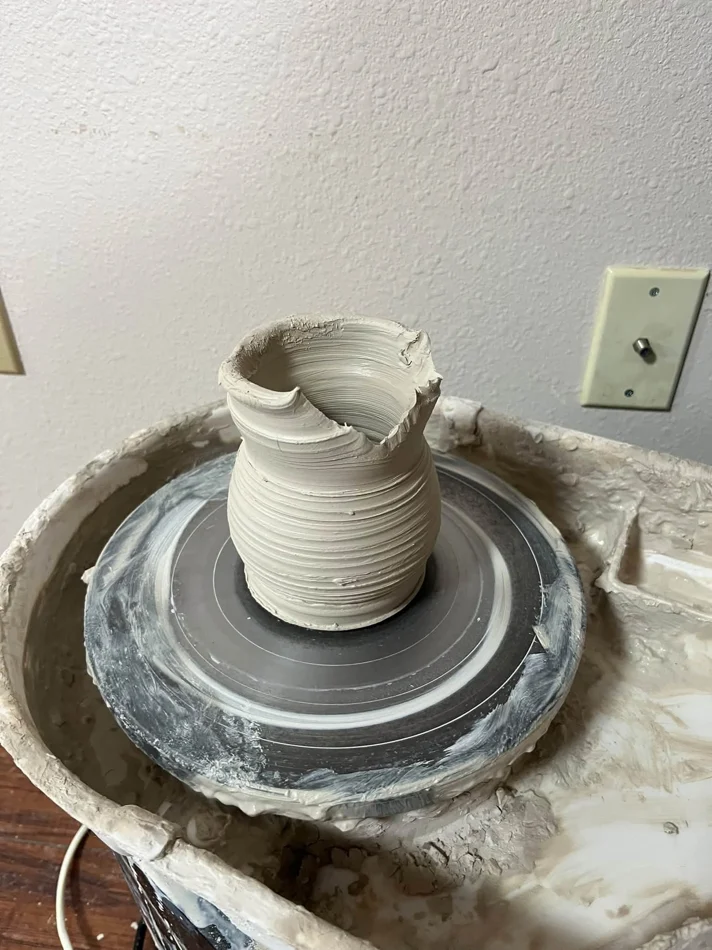
For wheel-thrown stoneware, the process begins with clay shaped by hand on the pottery wheel. Once thrown, it is trimmed, left to dry, and fired for the first time in a bisque firing, around cone 04, about 1,945°F, which hardens the clay while leaving it porous enough to take glaze.
Glaze is applied by hand, and the piece returns to the kiln for a hotter glaze firing, typically around cone 6, about 2,232°F (1,222°C), where the glaze melts into a glassy, durable finish. Reaching temperature takes eight to twelve hours, and the kiln then cools slowly, a full cycle often taking a day or more. The heat does the final work, and no two pieces come out exactly alike.